

Services / Export / Import
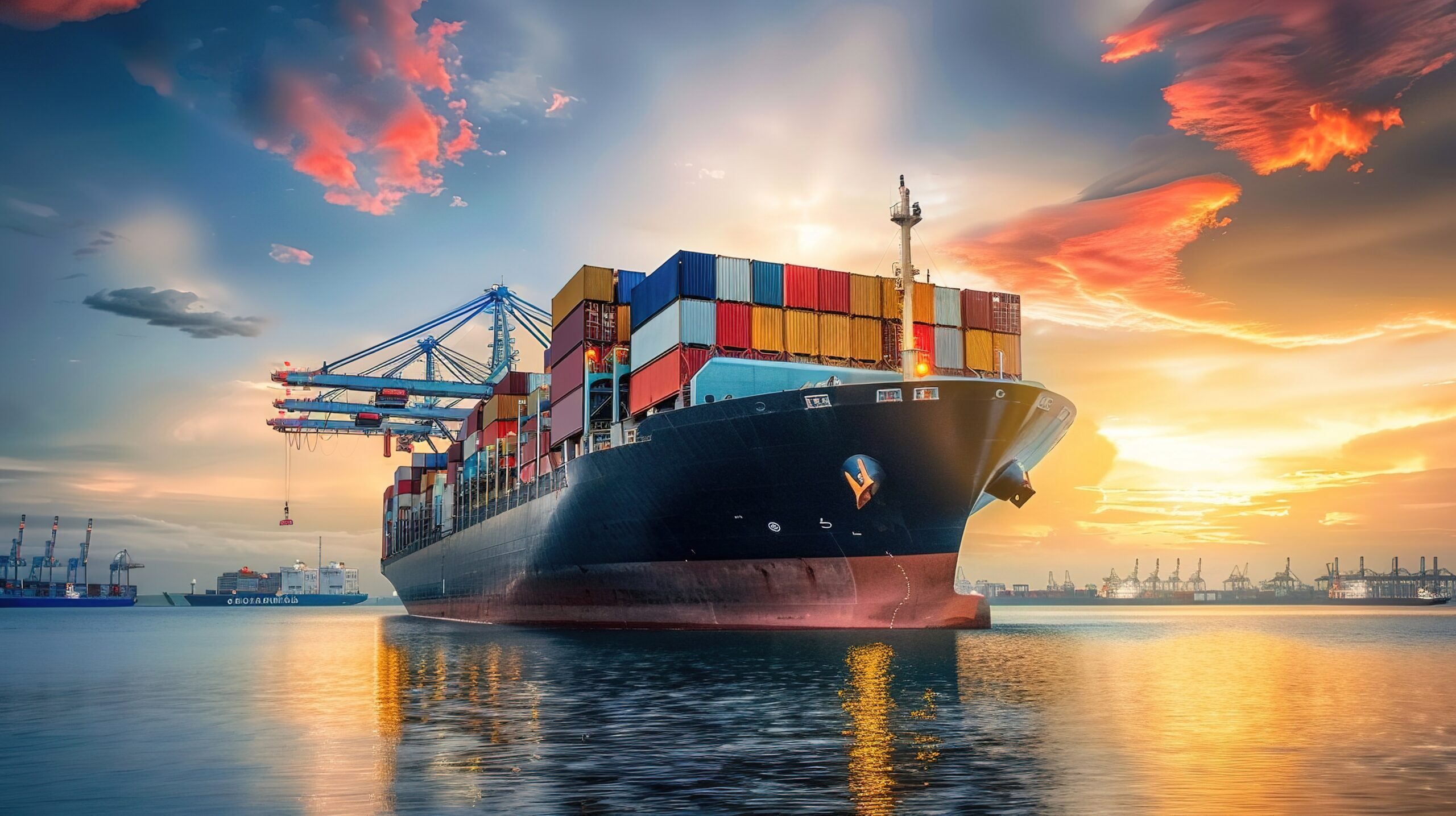
About Export / Import
Export and import are fundamental aspects of international trade that involve the exchange of goods and services between countries. These activities are crucial for economic growth, allowing countries to obtain products they do not produce domestically while also selling their goods to foreign markets.
Key Concepts of Export and Import:
Export
- Definition: Exporting refers to selling goods and services produced in one country to another country. This process involves transferring ownership of products from the seller (exporter) in the originating country to the buyer (importer) in the receiving country.
- Benefits:
- Increased Revenue: Selling goods abroad can significantly boost a company’s revenue.
- Market Expansion: Accessing international markets allows businesses to reach a larger customer base.
- Economies of Scale: By producing for larger markets, companies can achieve lower costs per unit through increased production.
- Diversification: Exporting helps businesses reduce dependence on domestic markets, lowering risks associated with economic downturns.
Import
- Definition: Importing is the process of bringing goods and services into a country from abroad. The products are purchased by domestic buyers from foreign suppliers.
- Benefits:
- Access to Resources: Imports allow countries to obtain resources, raw materials, and products that are not available or are more expensive to produce domestically.
- Consumer Choice: A wider variety of goods becomes available to consumers, often leading to lower prices and improved quality.
- Technology Transfer: Imports can facilitate the transfer of technology and innovation from one country to another, enhancing local industries.
- Economic Growth: By importing capital goods, countries can improve their infrastructure and production capabilities.
Export and Import Procedures:
- Documentation: Successful exports and imports require proper documentation, including invoices, packing lists, bills of lading, and certificates of origin. Accurate documentation helps ensure compliance with regulations and can prevent delays at customs.
- Customs Regulations: Countries have specific customs regulations governing the import and export of goods. Understanding these regulations, including tariffs and trade restrictions, is essential for smooth transactions.
- Logistics: Logistics management involves the planning and coordination of transporting goods across borders. This includes selecting shipping methods (air, sea, land), managing inventory, and navigating customs clearance.
- Payment Methods: Different payment methods can be used in international trade, including letters of credit, wire transfers, and open account transactions. Each method has its own risk level and implications for cash flow.
- Insurance: Insurance for goods in transit protects against potential losses or damages during shipping. This is particularly important for high-value or fragile items.